DECEMBER
भक्ति — BHAKTI
The path of Divine Love
To love God is itself a spiritual path:
Bhakti is the path of devotion through love. It is the desire to know God, feel close to God and bring that relationship into the way we pray, practice and live.
This month is about making devotion more personal. Through prayer, mantra, Sadhana and offering, we create more space for relationship with the Divine and learn to bring God into the ordinary parts of our day.
Bhakti asks us to give the heart fully. To speak to God, listen, trust, surrender and offer what we carry. Our joy, our fear, our longing, our gratitude and our practice can all become part of that relationship.
Throughout December, we will also create our own personal prayer book, collecting the prayers, verses, mantras and invocations that bring us closer to God. These prayers can become part of the way we begin our Sadhana each day and something we continue to carry into our practice beyond this month.
December is an invitation to make love of God something lived, felt and expressed through the way we practise and the way we move through life.
“As flame in the blazing fire, as a lover in the arms of his beloved, so is God in the soul.”
LOVE AS A SPIRITUAL PATH:
Yoga is a path toward liberation and union with the Divine, with our highest consciousness and our true nature. The different paths of yoga offer different ways of moving toward that same spiritual aim.
Jnana Yoga moves through knowledge and direct realisation. Karma Yoga through selfless action and surrender. Raja Yoga through meditation and mastery of the mind. Bhakti Yoga through love, devotion and relationship with God.
In Bhakti, love itself becomes the path. Through prayer, mantra, remembrance, worship, surrender and service, the devotee deepens their relationship with God and moves toward liberation.
The relationship with God becomes the centre of spiritual life. Through love and devotion, the heart softens, our sense of separation becomes less and we become more willing to surrender what keeps us separate from the Divine.
I would also suggest going back to the Niṣṭhā Sadhana from last April, which was about cultivating unwavering devotion, and reading over that content. Niṣṭhā is when remembrance of God becomes firmly established. Always thinking of God, seeing God in everything. Niṣṭhā supports Bhakti by helping us remain steady and committed in our love and devotion to God.
Divine Love
Bhakti has deep roots in the Vaishnava tradition, where God is approached personally through love and devotion. In devotion to Krishan, this love is expressed through prayer, mantra, kirtan, remembrance, worship, service and offering. God is loved, spoken to, called upon and remembered throughout daily life.
At the heart of Bhakti is pure love directed toward God. We offer our prayers, our attention, our actions, our emotions and our lives to the Divine without making our devotion dependent on what we receive in return. Surrender and service are therefore inseparable from Bhakti. Love naturally asks: How can I serve? What can I offer? How can my life become an expression of devotion?
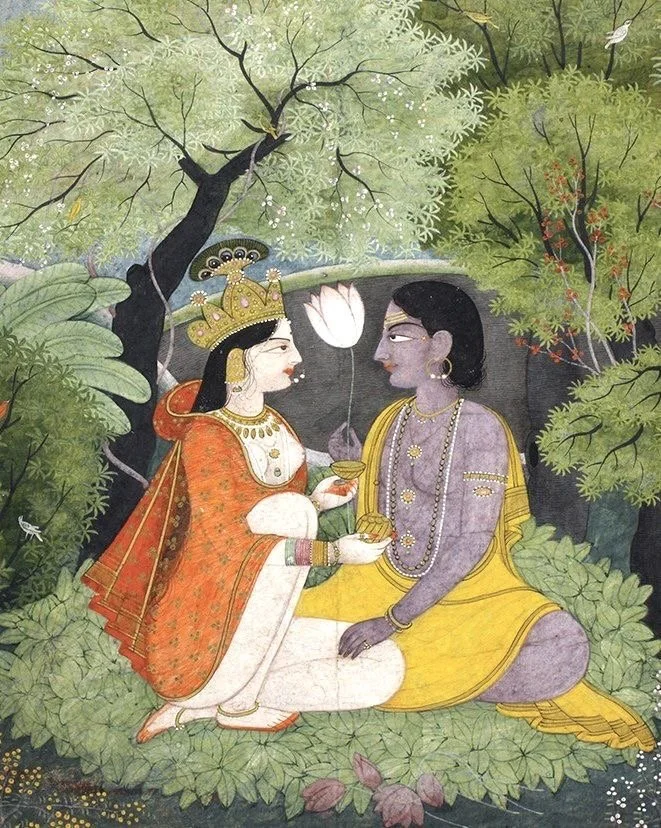
Longing is the bhav, (the devotional mood), within Bhakti. It is the deep desire to be close to God, to know God and to feel the presence of the Divine more fully. We often see this longing expressed in images devotees such as Sri Chaitanya, whose love for God was so intense that it moved through the whole body in tears, singing and devotional ecstasy.
A Prayer to Lead Us to Thee
Pray with me, and let the yearning of your soul be behind your words:
Heavenly Father, may our consciousness be cleansed of all error and doubt. May our souls be filled with a desire to understand these great truths. Thou dost reveal Thyself unto babes.
Make us like little children, humble and receptive, that we may follow this true path until Thou dost reveal Thyself.
Bless us with the thorough understanding that leads to Thee.
May we never be satisfied until we find Thee. Take us away from side paths, and direct us to the path that leads to Thy temple, the temple that is fragrant with devotion from the hearts of all the saints who have ever loved Thee.
May we harbor a new determination to follow the path of Self-Realization, the shortest path that leads us to our highest goal and the fulfilment of incarnations: finding Thee. For if we have Thee, we have everything.
Give us perfect ideals, good habits, and, above all, the supreme desire to know Thee and to live with Thee every day.
— An Invocation by Paramahansa Yogananda
Cultivating Unwavering Devotion
A heart centered practice focused on cultivating devotion and steady connection to the Divine. We use a special meditation called Ishvara Prandhana to merge our mind with the Source and Light of All.
Practice everyday throughout the month. Use the sadhana checklist as your guide.
Supporting Practice
Melody one notes:
ACE → ACG → FC → ACG → FD
Melody two and three notes:
ACE → FC → ACG → FG
Maha Mantra Harmonium Tutorial
Haribol! Let’s chant the names of the Divine
Hare Krishna, Hare Krishna,
Krishna Krishna, Hare Hare,
Hare Rama, Hare Rama,
Rama Rama, Hare Hare
3 different melodies, 2 and 3 are the same.
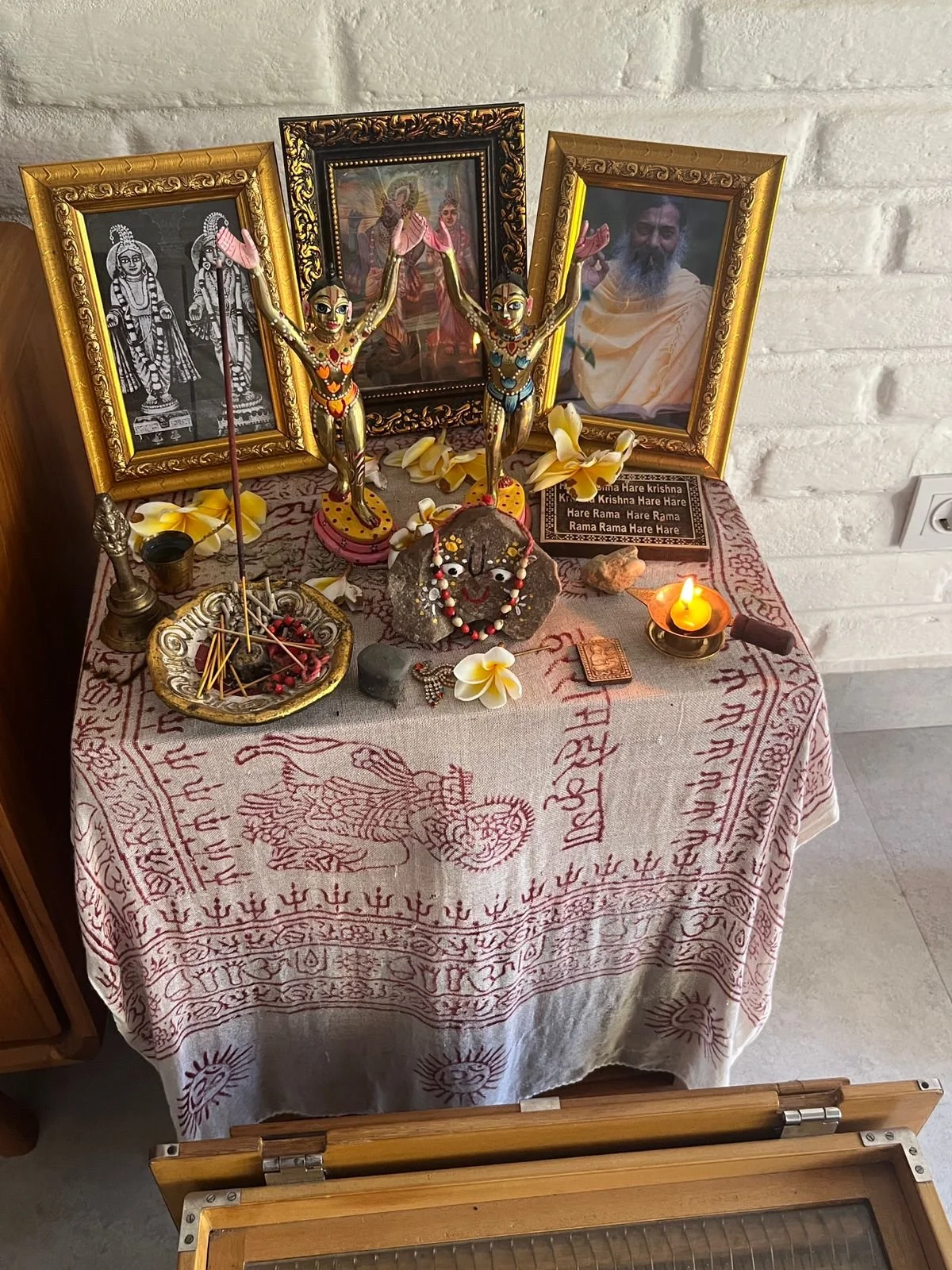
Ārati Procedure
First clean your right hand by pouring a few drops of water into it from a copper cup, with a spoon. The right hand should be cleaned again after offering each article. Ring a bell with the left hand while offering articles with the right hand. Offered articles should not be placed back on the arati tray with the unoffered items.
Incense, ghee lamp, water, cloth, and flowers are offered by circling them clockwise toward the given parts of the deity’s body. As you offer these articles, chant the respective mantras and names for them, followed by the words, "sri (name) namah". For this example I will use ‘name’ as Radha-Krishna.
(Please note, this can all be done mentally if you are worshipping photos or don’t have all items available)
Incense should be circled:
4 times to the deity’s feet
2 times to their navel
7 times to their whole body
etam dhūpam samarpayāmi sri Radha-Krishna namah
Ghee lamp should be circled:
4 times to the deity’s feet
2 times to their navel
3 times to their face
7 times to their whole body
etam dīpam samarpayāmi sri Radha-Krishna namah
Water in a conch shell is offered:
7 times over their head
idam jalam samarpayāmi sri Radha-Krishna namah
A plain piece of cloth or handkerchief is offered:
4 times to the deity’s feet
2 times to their navel
3 times to their face
7 times to their whole body
idam vastram samarpayāmi śri Radha-Krishna namah
Flowers on a plate are offered:
4 times to the deity’s feet
etani puspani samarpayami sri Radha-Krishna namah
Cāmara should be fanned up and down, chanting:
etam cāmaram samarpayami sri Radha-Krishna namah
Peacock fan should be fanned up and down, chanting:
etam vyajanam samarpayami sri Radha-Krishna namah
Your Monthly Oracle Message
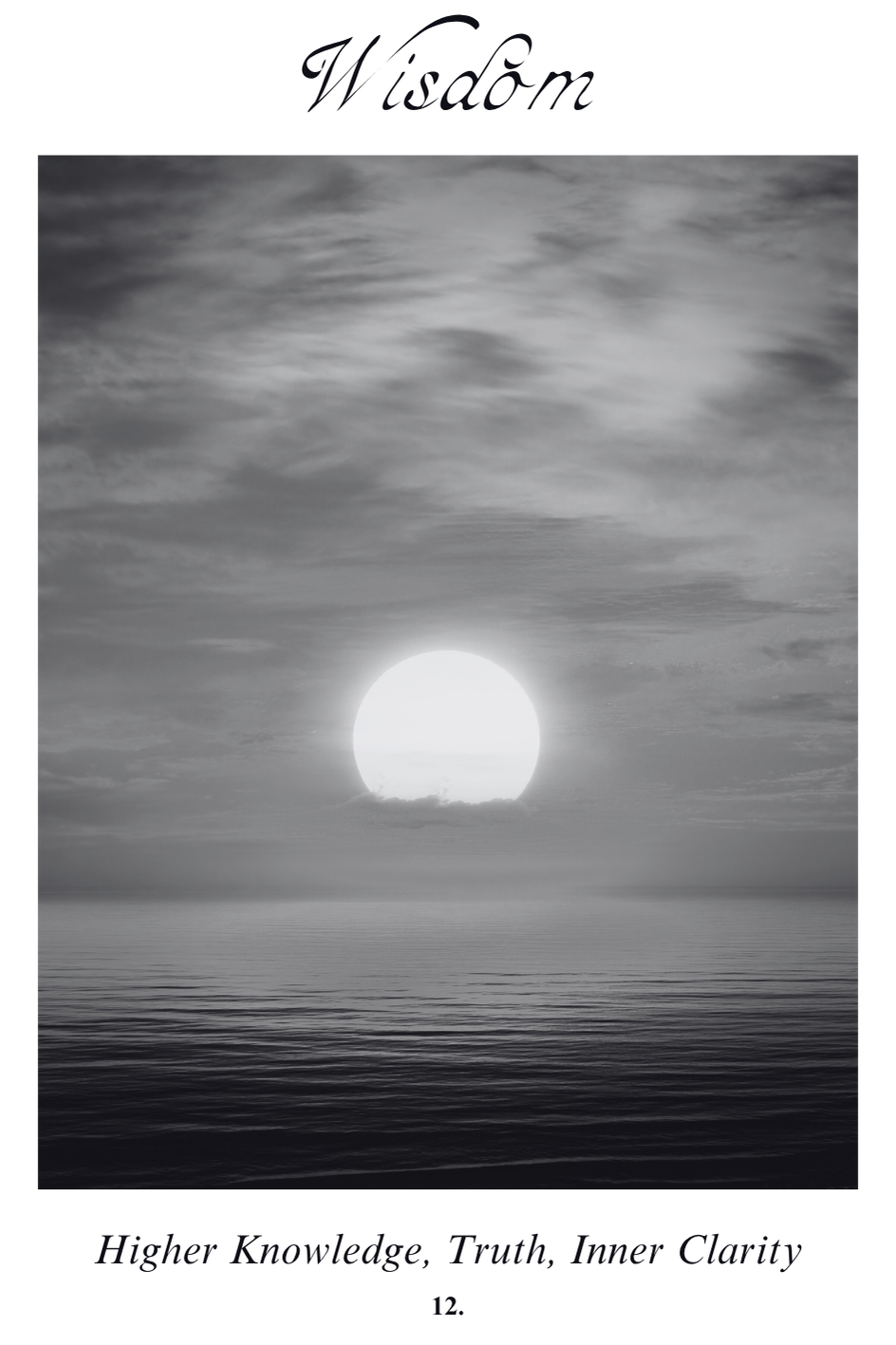
The Wisdom card invites you to tap into the deep, innate knowledge that resides within you. It is a call to connect with your higher self and the truths that are ever-present, guiding you toward clarity and insight. This card reminds you that wisdom is not only found in external sources but is rooted in the inner sanctum of your being. As you align with this wisdom, you gain the power to navigate life with purpose and discernment, moving beyond doubt and confusion toward profound understanding.
Reflective Practice:
What inner knowing am I being called to trust, and how can I allow this wisdom to guide me in my life?
Practical Exercise:
Sit in stillness and focus on your breath. Let go of distractions and invite a moment of inner clarity. Ask yourself a question that has been on your mind, then listen quietly for the answer that comes from your inner wisdom, without judgment.
A playlist to carry the essence of Nistha into your day. Intended for moments outside of practice, to accompany journaling or any space where you feel inspired (not during your main practice).
You're invited to reach out anytime throughout the month with questions or reflections related to your practice. I'm here to support you on your journey toward inner radiance and growth.